
Since the inception of Stauning distillery in 2005, their flagship release has been a rye whisky. So much so, it is simply called “Rye”.
Similar to their Nordic brethren at Mackmyra, the Stauning brand was built by a group of friends who had one thing in common: a passion for whisky. Without knowing how to make whisky when their plans started, the Stauning group have used that passion and drive to make a name for themselves with a focus on traditional methods, doing things entirely handmade and by themselves onsite, and using local ingredients to make for a truly Danish whisky. The distillery is also simply named after the village that the site is near.
Their first official outputs were rye whiskies, and with a few years of tweaking, here we have that flagship core release. The signature Stauning, as it were.
From here, the brand has built a roster of rye and malt whiskies with different permutations along with the way, including their more playful experimental series – one of which, we recently posted about in that series (see notes here on their El Clásico release).
The Rye release has been made using 51% floor malted rye and 49% floor-malted barley – all cultivated from local farms – whose mash and resultant liquid has ultimately been double-distilled in small, open-fired pot stills to produce a strongly flavourful spirit.
Open-fired stills creates complex and deep flavours thanks to the fact that a still heated this way will reach significantly higher temperatures (up to 650˚C). This causes any solids in the wash to stick to the inner surface of the copper, in the same way as steak placed on a hot griddle pan will start to brown. This Maillard type reaction inside the still will help to create a range of different flavour compounds, like chocolate, caramel and roasted nuts.
Stauning on the directly fired stills…
All elements of the whisky making process have been handmade by the Stauning team onsite, with the new make spirit then being housed for 3-4 years in US ex-bourbon barrels before being bottled at 48% ABV without colouring or chill filtration.

Nose
Quite an acetone and menthol style punch of alcohol hits at first, quickly followed by the spice trail of black pepper, cinnamon, and clove. A sweet and juicy little orange/marmalade note joins afterwards.
Taste
A deliciously soft arrival and quite fruity too. Sure, the black pepper and rye bread spices are there but they are joined by sweet orange, grapefruit, and maybe even… pineapple??? With a few more sips, there’s a nice set of softer flavours at play with vanilla and butterscotch delivering sweet notes and a nutty flavour ticking off a full house of tasting notes.
Finish
Pretty long and peppery but then, surprisingly, the sweet fruity flavours are actually the final taste sensation.
Verdict
This is really quite flavourful, balanced, and almost quite refreshing – both in terms of taste and style. It has all the rye bread notes that it’s promotional materials talks about but it is rounded out by softer and fruitier flavours that are really complemented by quite a soft and easy mouthfeel.
If I am honest, when I first tried a sample of this, and knew it to be just 3-4 year old whisky, I was expecting a big rye and spirit-led attack on the tastebuds – particularly so, based on my limited experience with some harsh US rye whiskies to date – but instead this was clean, balanced, and totally rounded out: a little spicy, a little fruity, a little buttery, a little nutty, and a lot tasty.
I really quite like the look and style that they have adopted for their whiskies too. The primarily black bottles are designed with their origins and whisky making process drawn in gold, almost in a carton style, which playfully tells their story. Their 3 core releases Rye (tasted here), Kaos (a “triple malt” made from non-peated barley, peated barley, and malted rye), and Smoke (a peated single malt whisky) all follow this similar style but with their subtle differences and coloured bands on the bottle.
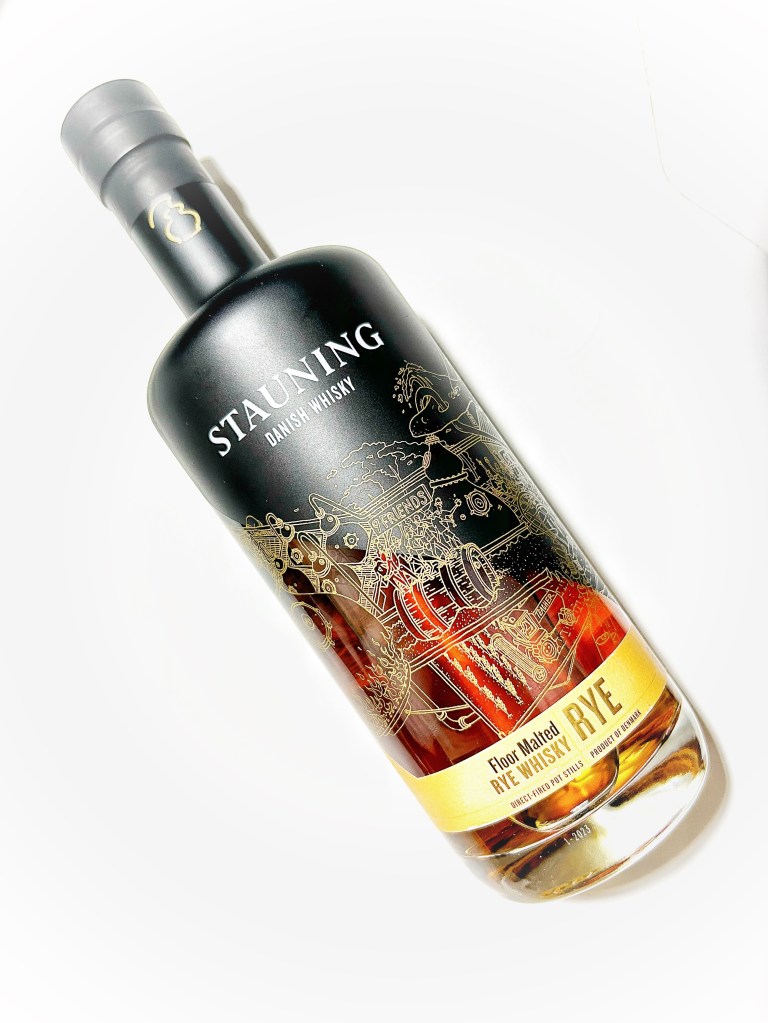
They have even been more playful with this design recently with a “We Make The Whisky, You Design The Bottle” repackaging of those 3x core releases. allowing you to add your own touch, whilst still fitting comfortably within their own brand: “design your own bottle with stickers, drawings, doodles, whatever makes it your very own limited edition. Each bottle comes complete in a gift pack with a big sheet of stickers and a gold pen to get you started.”
The Experimental series, by contrast, have been housed in clear bottles but each has its own design drawn on in white, and producing something looking a little more heavy metal by contrast – with a name like Bastard, that is what you would expect too.
Even their brand logo is a simple artistic golden swirl representing the pot still that started it all. It’s good marketing for good whisky, and I for one am sold by it.
Back to the whisky itself though, and you can see how this has helped make them stand out in a crowd. Much like the early successes we’ve seen with The Oxford Artisan Distillery in England and their award-winning rye whiskies, there is a definite space for new ryes to appear in the world.
On that note, I would say that rye whiskies are more often seen as an American and Canadian thing, and with so many eyes on malt whiskies otherwise, using rye – and doing it well – makes this whisky and the Stauning name one to look out for. As does their focus on local ingredients. Knowing the farmers that grow their crops and then working the end-to-end whisky making process on their own site helps build those bonds, the brand, and quality control to produce something really tasty.
M
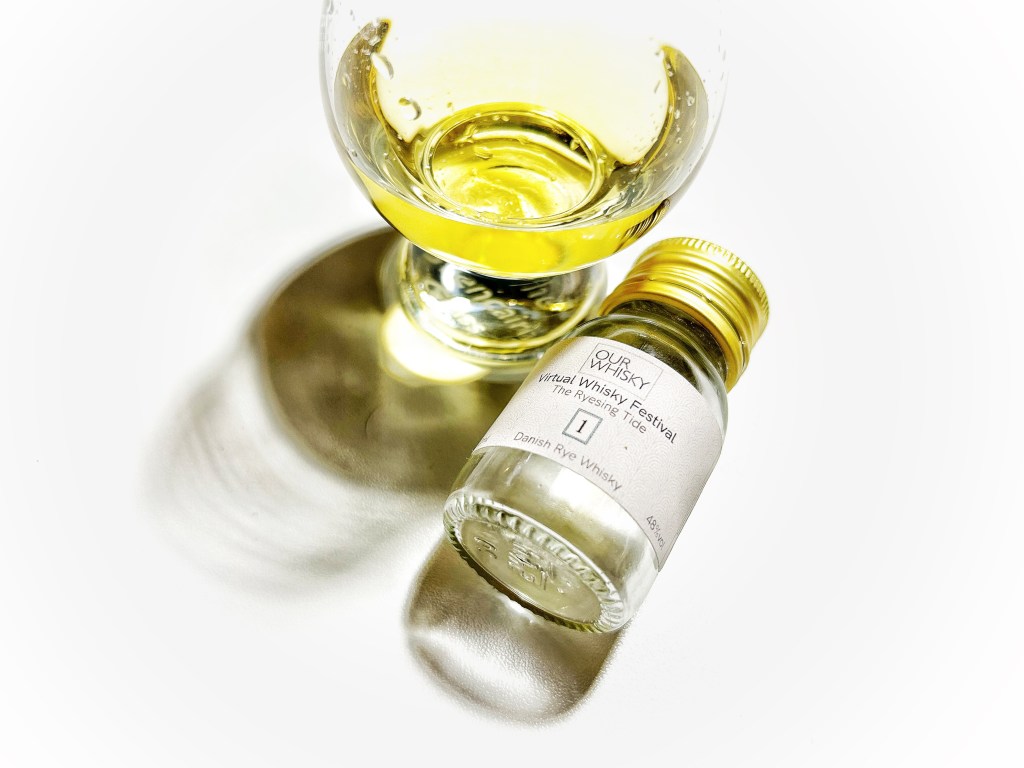
Sample disclosure: The sample pictured here was purchased as part of a pack for the OurWhisky festival in 2021 (The Rye-sing Tide), which ultimately resulted in a bottle being bought. All notes are intended as an honest, fair, and independent review of the whisky, and not as a promotion. Please drink responsibly. Please drink wisely.


 whisky unplugged